
Introduction
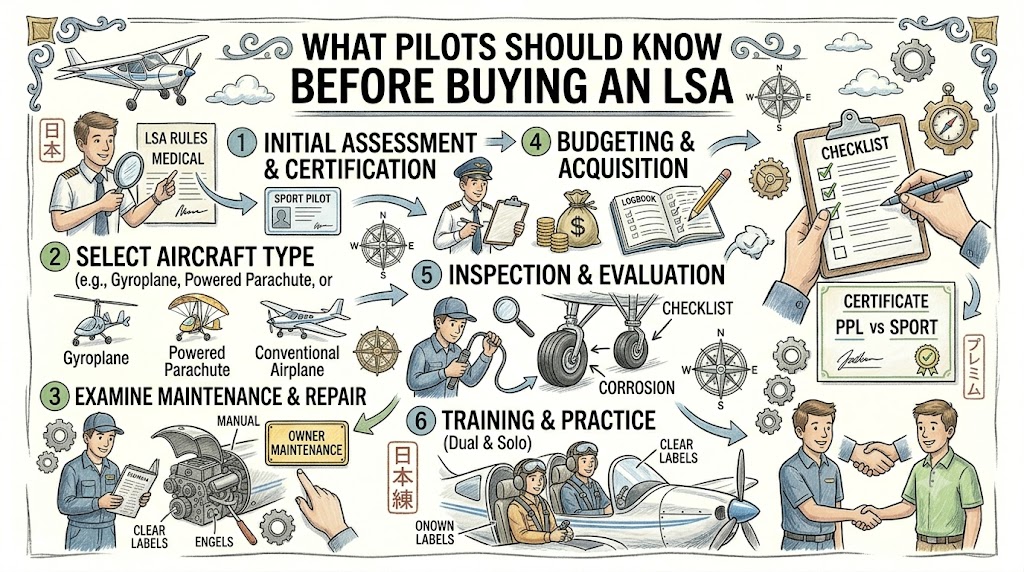
Purchasing a Light Sport Aircraft (LSA) is an exciting milestone for many pilots, offering the freedom to fly recreationally, build experience, or explore aviation without the complexity and cost of traditional general aviation aircraft. However, buying an LSA requires careful consideration of multiple factors to ensure the aircraft meets your performance needs, complies with regulations, and provides safe and enjoyable flying experiences. Informed decisions protect your investment, reduce operational risks, and enhance the overall ownership experience.
Real-world Use Cases
LSAs are popular among sport pilots, flight instructors, and hobbyists who want versatile, affordable, and accessible aircraft. For example, a pilot seeking weekend recreational flights can benefit from an LSA’s fuel efficiency and short-field capabilities. Flight schools often use LSAs for training students due to their simplicity and compliance with sport pilot regulations. Understanding how LSAs are used in real-world scenarios helps buyers align their choice with intended purpose, whether it’s cross-country flights, training, or local recreational flying.
Evaluation Criteria for Pilots
Before buying an LSA, pilots should evaluate aircraft performance, manufacturer reputation, maintenance needs, total cost of ownership, operational limits, and safety features. Regulatory compliance, including weight limits, speed restrictions, and sport pilot license requirements, must also be considered. Assessing these factors ensures the aircraft will meet personal goals and provide a reliable, enjoyable flying experience.
Key Considerations Before Buying an LSA
1- Aircraft Performance
Consider cruise speed, range, payload, and takeoff/landing distances. Ensure the aircraft meets your intended flight routes and operational needs.
2- Cost and Financing
Total cost includes purchase price, taxes, insurance, hangar fees, maintenance, and fuel. Explore financing options or ownership programs that fit your budget.
3- Maintenance Requirements
LSAs typically have simpler systems than larger GA aircraft, but understanding routine maintenance schedules, parts availability, and service support is crucial for long-term reliability.
4- Licensing and Regulatory Compliance
Check that the aircraft complies with FAA or equivalent sport pilot regulations, including maximum weight, speed, and seating restrictions, to avoid legal or operational issues.
5- Safety Features
Look for modern avionics, stall warning systems, ballistic parachutes, and structural safety features that enhance reliability and reduce risks during flight.
6- Operational Limitations
Understand speed limits, altitude restrictions, and payload capacity. Awareness of these limitations ensures safe and efficient use.
7- Resale Value
Consider brand reputation, build quality, and model popularity. Aircraft with higher resale value provide better long-term investment security.
8- Manufacturer Reputation and Support
Choose manufacturers with a track record of reliability, support, and parts availability. Good customer service can simplify troubleshooting, upgrades, or maintenance needs.
Practical Tips for LSA Buyers
- Arrange a test flight to assess handling, comfort, and performance firsthand.
- Inspect the aircraft thoroughly, including avionics, engine, and structural components.
- Consult with experienced pilots or instructors familiar with LSAs.
- Consider purchasing through authorized dealers to ensure warranty coverage.
- Factor in insurance, hangar space, and recurring operational costs before committing.
Comparison Notes
LSAs differ from ultralights and general aviation aircraft in terms of licensing, cost, and operational limits. They are more accessible than traditional GA aircraft but offer more capability, comfort, and regulatory compliance than ultralights. Understanding these differences helps buyers choose the right aircraft for their experience level and intended use.
FAQs
1- What is the typical cost of an LSA?
Prices vary widely depending on the model, avionics, and features, generally ranging from $70,000 to $150,000.
2- Do I need a private pilot license to fly an LSA?
No. A sport pilot certificate is sufficient in most cases, with fewer flight hours and simpler medical requirements.
3- Are LSAs safe for beginner pilots?
Yes. Modern LSAs include safety features such as ballistic parachutes, stall warning systems, and reliable avionics.
4- How much maintenance does an LSA require?
Maintenance is generally less intensive than larger GA aircraft, but regular inspections and compliance with manufacturer schedules are essential.
5- Can I fly an LSA cross-country?
Yes, within range and operational limits. Some LSAs have sufficient fuel capacity for longer trips with proper planning.
6- What are the weight and speed limits for LSAs?
Typically, LSAs have a maximum takeoff weight of 1,320 lbs (1,430 lbs for seaplanes) and a maximum cruise speed of 120 knots.
7- Is insurance expensive for an LSA?
Insurance cost depends on pilot experience, aircraft type, and coverage level. LSAs are generally more affordable to insure than larger GA aircraft.
8- Can I buy a used LSA?
Yes, but always verify maintenance records, airworthiness, and condition before purchase.
9- Do LSAs require special hangars or storage?
They require appropriate hangar or tie-down space but are often smaller and easier to store than standard GA aircraft.
10- Are parts and support readily available for LSAs?
Most manufacturers provide dedicated support, parts availability, and service networks, but always check before purchase.
Conclusion
Buying an LSA is a significant investment that combines personal enjoyment, practical flying capability, and regulatory compliance. By carefully evaluating performance, cost, maintenance, safety, and manufacturer reputation, pilots can make informed decisions that ensure long-term satisfaction and reliability. Understanding operational limitations, licensing requirements, and practical considerations allows buyers to confidently navigate their first LSA purchase, enjoy safe and efficient flights, and fully experience the freedom and accessibility that Light Sport Aircraft offer.

